Source aromatherapy car perfume for Home, Office, and Travel
Find and compare 30 aromatherapy car perfume options for home, office, and travel use. Evaluate glass and plastic containers with various sealing types and customization features to find the right fit for your needs.
Key considerations
Products List


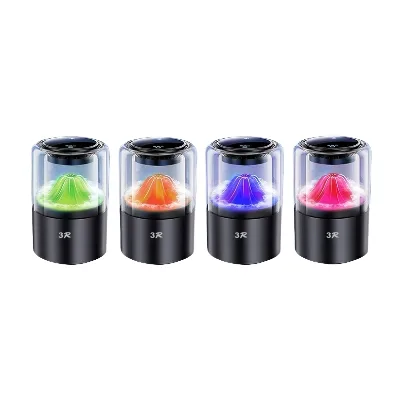


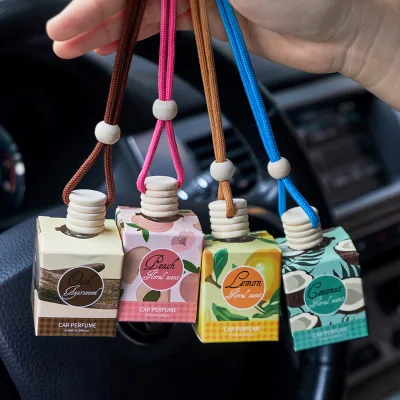
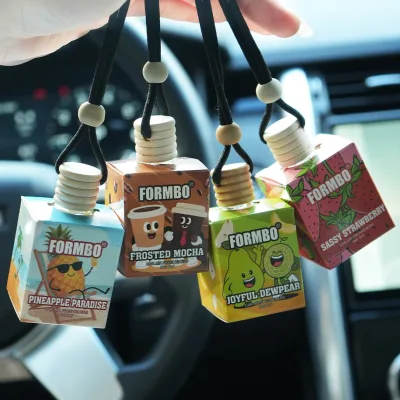
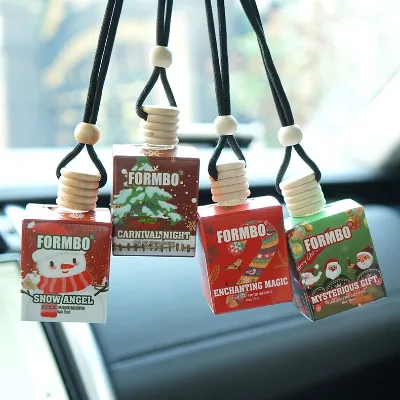


Comprehensive Sourcing Guide
Aromatherapy Car Perfume Sourcing Guide
Sourcing aromatherapy car perfume requires a nuanced understanding of the intersection between personal care packaging, automotive accessory standards, and volatile organic compound management. Buyers must navigate a market where product definitions often blur between home fragrance diffusers and vehicle-specific air fresheners, necessitating strict verification of usage claims and physical compatibility. The following guide provides evidence-based procurement strategies for sourcing these items, focusing on material integrity, functional design, and commercial viability.
Product Scope and Observed Listing Signals
The current market landscape for aromatherapy car perfume reveals a diverse array of product types, ranging from traditional reed diffuser bottles to essential oil pendants and aerosol sprays. Observed listings indicate that manufacturers often categorize these items under personal care products or general decoration, which can obscure their specific automotive utility. For instance, some suppliers list "Reed Diffuser Bottles" with a "Square" or "Round" shape, while others offer "Essential Oil" products explicitly designed for "car household" use. This ambiguity requires buyers to scrutinize the "Using Type" attribute, distinguishing between "Air Outlet Perfume" mechanisms and "Pendant Perfume" designs to ensure the product aligns with the intended vehicle installation method.
Material composition varies significantly across suppliers, with glass, crystal glass, and plastic being the most common container materials. Listings show that some products utilize "Crystal glass" for aesthetic appeal, while others rely on "Plastic" for durability and cost-efficiency. The "Odor Type" and "Fragrance" attributes further diversify the scope, with options including "Ocean-free," "FOREST," "Orange," "Rose," and "rain" scents. Buyers should note that while some products claim "Multi-Function" advantages, the core functionality often hinges on the "Work Mode," such as "natural evaporation" for diffusers or the mechanical dispersion required for aerosol types. Understanding these distinctions is critical for selecting products that meet specific brand positioning and customer expectations.
Technical Specifications to Verify
Volume and capacity are primary technical differentiators in this category, with observed listings ranging from small 10-20ml containers to larger 120ml units. The "Capacity" specification directly influences the product's longevity and the frequency of refills required by the end-user. For example, a 120ml "Essential Oil" product offers a longer service life compared to smaller 10-20ml variants, which may be better suited for trial sizes or compact vehicle interiors. Buyers must verify the "Container Shape" and "Size" to ensure compatibility with car cup holders, dashboard mounts, or rearview mirror hooks. Some listings specify dimensions such as 5.16.6cm or 217.5*15.5cm, which are crucial for packaging optimization and retail display planning.
The sealing and dispensing mechanisms are equally important technical considerations. Products may feature "Crown Cap" sealing types or rely on the inherent design of the container for "natural evaporation." For aerosol-based products, the "Type" classification as "Aerosol Spray" implies specific pressurization requirements and safety standards that differ from passive diffusers. Additionally, the "Filling Material," such as "Dipropylene Glycol Ethyl Ether," indicates the chemical base of the fragrance, which affects scent throw and stability. Buyers should request detailed technical data sheets to confirm the compatibility of the filling material with the container material, ensuring that there is no risk of chemical degradation or leakage over time.
Compliance and Safety Documentation
Safety compliance is paramount when sourcing products intended for use in enclosed spaces like vehicles. While specific certification statuses such as ISO 9001 or ISO 14001 are mentioned in background data, buyers must verify the actual validity and scope of these certifications for each supplier. Similarly, certifications like CE or RoHS may be relevant depending on the product's components, particularly if electronic elements are involved in the "Work Mode." Buyers should insist on up-to-date compliance certificates and ensure that the supplier can provide test reports demonstrating that the product meets the safety standards of the target market.
The chemical composition of the fragrance and filling materials must be transparent and compliant with local regulations regarding volatile organic compounds (VOCs). Suppliers should provide Material Safety Data Sheets (MSDS) for the "Filling Material" and the final product to ensure that the scent does not pose health risks to occupants. Buyers should also verify that the "Odor Type" and "Fragrance" components are free from prohibited substances in the destination country. Given that some products are marketed for "car household" use, it is essential to confirm that the product does not emit harmful fumes that could impair driver visibility or health, especially in high-temperature environments.
Cost Drivers and Commercial Terms
Pricing in the aromatherapy car perfume market is influenced by material costs, customization levels, and order volume. Observed price ranges vary widely, reflecting differences in product complexity and quality. The "MOQ" (Minimum Order Quantity) is a significant factor, with listings showing ranges from 2 to 6000 units. Lower MOQs, such as 200 units, may be available for standard products, while higher volumes are required for customized designs or specific packaging options. Buyers should negotiate based on their projected sales volume, keeping in mind that higher MOQs often result in lower unit prices but increase inventory holding costs.
Packaging and branding options also impact the total cost of ownership. Many suppliers offer "Customized" packing, including "Carton" packaging with specific quantities per carton, such as 200PCS/Carton. The availability of "Custom Logo" services allows buyers to enhance brand recognition but may incur additional setup fees or require higher MOQs. Buyers should evaluate the trade-off between customization costs and potential brand value. Additionally, the "Advantage" of "Multi-Function" or "Decoration" features may justify a higher price point if these attributes resonate with the target consumer base. It is advisable to request detailed quotations that break down costs for materials, customization, and logistics to make informed decisions.
Supplier Qualification and Quality Control
Supplier qualification involves assessing the manufacturer's production capabilities and quality assurance processes. Buyers should verify the "prod_origin" of the products, with common origins including Guangxi, Guangdong, and Zhejiang in China. These regions may have established supply chains for glass, plastic, and fragrance components, but buyers should conduct due diligence to ensure that the supplier has a robust quality control system. Requesting samples is a critical step, as many suppliers offer "Sample" availability to allow buyers to evaluate product quality, scent throw, and packaging integrity before committing to a large order.
Quality control measures should include checks for container defects, sealing integrity, and fragrance consistency. Buyers should establish clear acceptance criteria for product defects, such as cracks in glass containers or leaks in seals. It is also important to verify the "prod_standard" and "prod_model" to ensure that the supplier can consistently reproduce the desired product specifications. For customized products, buyers should request prototypes and conduct rigorous testing to ensure that the final product meets all functional and aesthetic requirements. Establishing a strong relationship with the supplier through regular communication and clear quality expectations can help mitigate risks and ensure consistent product quality.
Long-Term Procurement Checks
Long-term procurement success depends on continuous monitoring of supplier performance and market trends. Buyers should regularly review supplier compliance with safety and environmental standards, as regulations may evolve over time. Keeping abreast of changes in VOC regulations and consumer preferences for natural or eco-friendly products is essential for maintaining product relevance. Buyers should also assess the supplier's ability to innovate and offer new designs or scents that align with market demands, such as the "Eco-friendly Car Air Freshener" features observed in some listings.
Inventory management and supply chain resilience are also critical for long-term success. Buyers should develop contingency plans for potential supply disruptions, such as raw material shortages or production delays. Maintaining a diversified supplier base can help mitigate risks and ensure a steady supply of products. Additionally, buyers should gather feedback from end-users to identify any issues with product performance or customer satisfaction, using this information to refine future procurement decisions. By staying proactive and adaptable, buyers can build a sustainable and profitable sourcing strategy for aromatherapy car perfume products.
FAQs
What materials are used for aromatherapy car perfume bottles?
Bottles are made from glass, crystal glass, or plastic depending on the specific model. Some products feature glass containers while others use plastic, allowing for varied aesthetic and functional choices for different car interior designs.
Can I customize the logo and packaging for these products?
Yes, customization is available for both logos and packaging. Buyers can request custom logos and tailored packaging solutions to match their brand identity, ensuring a unique presentation for the aromatherapy car perfume items.
What is the minimum order quantity for these car perfumes?
The minimum order quantity varies by product but can be as low as 200 units for some models. Other listings indicate a range starting from 2 up to 6000 units, depending on the specific supplier and product configuration.
How do these car air fresheners work?
Most units operate via natural evaporation to release fragrance into the vehicle. This method ensures a steady scent distribution without the need for batteries or electricity, making them suitable for continuous use in cars.
Which fragrance options are available for these products?
Available scents include forest, ocean, orange, rose, and rain. These options provide a variety of aromatic experiences, allowing buyers to select fragrances that best suit their target market preferences or personal taste.
What are the typical dimensions for these car perfume containers?
Dimensions vary by model, with some measuring 5.1 by 6.6 cm and others at 21 by 7.5 by 15.5 cm. Customized sizes are also available to meet specific design requirements for different vehicle interiors.
Are samples available for testing before bulk ordering?
Yes, samples are available for most products to allow buyers to test quality and design. This enables purchasers to verify the product features before committing to a larger order quantity.